Why Publishing Blog Articles on Your Website Still Drives SEO in 2026

With all the new platforms out there—social media, video channels, and AI search tools—it can be easy to forget one important fact:
Your website is still the center of your online presence.
It’s the one digital property you fully control, and it’s still the primary place where search engines go to understand what your business does and why you’re an authority in your field.
One of the best ways to strengthen that authority is by publishing thoughtful, educational blog articles on a regular basis.
When businesses consistently publish helpful content, they don’t just improve their SEO. They also demonstrate expertise, build trust with potential clients, and create a growing library of knowledge that keeps attracting visitors long after an article is published.
Search engines like Google reward this kind of effort because their goal is simple: show users the most helpful and trustworthy information available.
Why Blog Articles Matter for SEO

Every article you publish on your website becomes a new page that search engines can index and rank.
That means every blog post creates another opportunity for someone to discover your business when they search for information related to your industry.
Many companies focus only on ranking their main service pages. While those pages are important, blog articles allow you to target a much wider range of search queries.
For example, someone might not search directly for a service like “bookkeeping firm” or “SEO agency.” Instead, they might search for things like:
How cloud bookkeeping works
What QuickBooks Online can do for small businesses
How companies improve their website traffic
Articles that answer these kinds of questions can bring in visitors who are actively learning about a topic. Over time, many of those visitors become customers.
That’s one of the reasons content marketing has become such a powerful long-term strategy.
What Makes a Blog Article Perform Well in 2026
Search engines have become much better at recognizing quality content. Simple keyword stuffing and short articles don’t work the way they once did.
The blog posts that perform best today tend to follow a few important principles.
Clear Keyword Focus
A good article usually focuses on one clear topic.
This helps search engines understand exactly what the page is about and which searches it should appear for.
The goal isn’t to repeat keywords as many times as possible. Instead, the goal is to fully explain the topic in a natural, useful way.
When an article answers a question better than other pages on the internet, search engines take notice.
Organized Structure
People rarely read long articles word for word. Most readers scan the page first to see if the content is useful.
That’s why clear headings and structure matter so much.
Articles that use headings like H1, H2, and H3 help guide the reader through the topic while also helping search engines understand how the information is organized.
A well-structured article feels easier to read and makes complex topics easier to digest.
Answering Real Questions
The internet is largely driven by questions.
People search for answers all day long:
“How does this work?”
“What are the benefits of this?”
“Is this worth it?”
Articles that directly answer these questions tend to perform much better than content that simply talks about a topic in general terms.
The clearer and more helpful your answers are, the more valuable your content becomes to both readers and search engines.
Internal Links
Internal links are simply links from one page of your website to another.
They might not seem like a big deal, but they play an important role in SEO.
Internal links help search engines understand how your website is structured and which pages relate to each other. They also help visitors explore more of your content.
For example, if someone reads an article about bookkeeping strategies, it makes sense to link them to other helpful pages such as:
financial reporting articles
tax preparation resources
accounting service pages
These connections strengthen your website overall.

Real Experience and Insight
Search engines increasingly prioritize content that reflects real knowledge and experience.
Anyone can write a generic article. What stands out are insights that come from actually working in the field.
That might include:
lessons learned from client work
examples from real situations
industry observations
practical advice
These details make an article feel more authentic, and they help establish credibility with readers.
The Role of E-E-A-T in Search Rankings
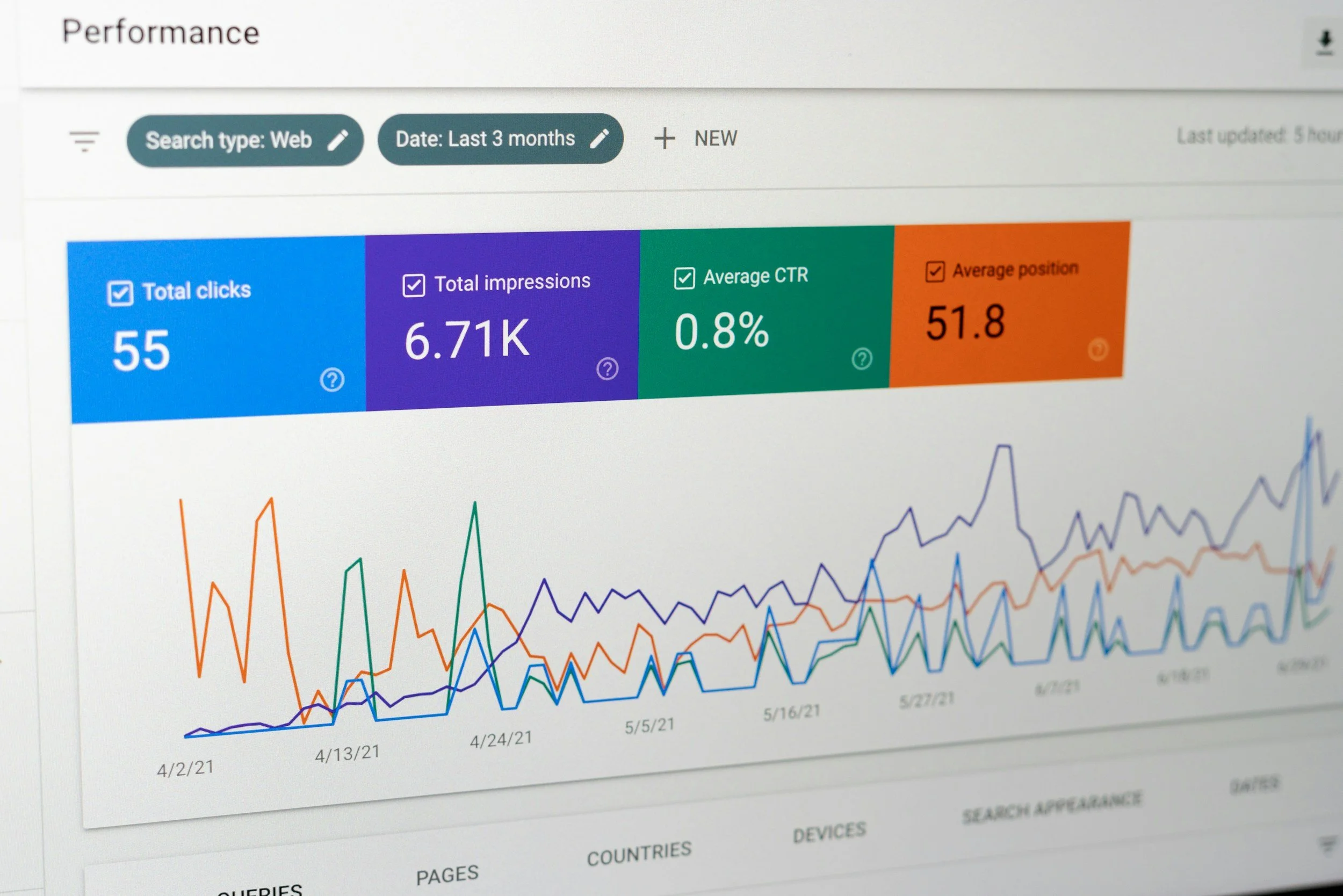
Search engines often evaluate content using a framework called E-E-A-T, which stands for:
Experience
Expertise
Authority
Trust
In simple terms, search engines want to know whether the information on a page comes from someone who actually understands the topic.
Websites that consistently publish helpful, well-informed content gradually build these signals over time.
As that authority grows, search engines become more confident recommending the site to users.
Consistency Is What Builds Momentum
One blog post isn’t going to transform your website overnight.
SEO works more like building a reputation. It grows gradually as your website accumulates useful content.
Businesses that publish consistently tend to build topical authority. Over time, their websites become known as reliable sources of information within their industry.
This doesn’t require publishing content every day. What matters most is maintaining a steady rhythm.
For many businesses, publishing two to four strong articles per month is enough to create meaningful progress.
After a year of consistent publishing, that can result in dozens of high-quality articles working together to attract search traffic.
The Long-Term Advantage of Website Publishing
Social media posts disappear quickly. News feeds move on.
Blog articles are different.
A well-written article can continue attracting visitors for years after it’s published.
That makes your website one of the most valuable long-term marketing assets your business can build.
Over time, a collection of helpful articles creates something incredibly powerful: a knowledge base that demonstrates your expertise while constantly bringing new people to your website.
Final Thoughts
Publishing authority blog articles is still one of the most effective ways to grow your visibility online.
When businesses share their knowledge openly and consistently, they naturally build trust with both search engines and potential clients.
Your website becomes more than just a digital brochure. It becomes a resource.
And resources tend to get discovered.
Start a conversation on my LinkedIn
👉 https://www.linkedin.com/pulse/why-publishing-blog-articles-your-website-still-drives-matthew-grant
If you want to learn more about SEO publishing strategies that help businesses expand their reach online, visit El Brandino:
